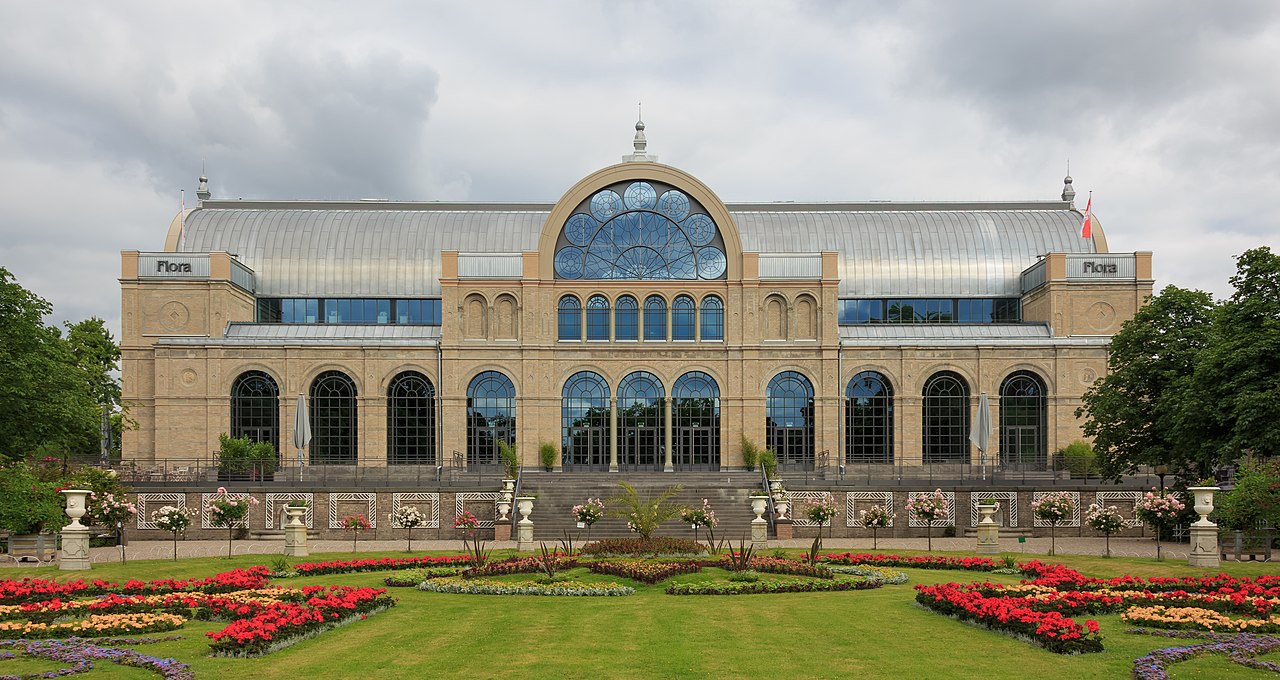
/Koh-LOHN/ • Where History Meets Modernity on the Rhine
Cologne, Germany's fourth-largest city, is a vibrant metropolis known for its stunning Gothic cathedral, rich Roman heritage, and lively arts and beer scene. Situated on the Rhine River, it offers a unique blend of ancient history and modern European charm.
Population
623k
City Proper (2022 est.)
Land Area
405 km²
Urban Area
GDP Nominal
$81 Billion
Metropolitan Area GDP nominal (2022 est.)
Global Rank
No. 75
Global City Index, A.T. Kearney (2022)
Cologne captivates visitors with its iconic cathedral, ancient Roman past, and a dynamic modern spirit. It's a city of friendly locals, renowned museums, bustling shopping streets, and a distinctive carnival tradition. Experience its unique blend of history, culture, and German hospitality.
2000+ Years
From Roman foundations to a thriving modern arts scene, Cologne's history is ever-present. Its diverse museums cover everything from Roman artifacts to chocolate.
Green Belt Parks
Cologne boasts numerous parks and green areas, including the expansive Inner and Outer Green Belt, offering residents and visitors ample recreational space.
Kölsch Spirit
Cologne residents, known as 'Kölner', are famous for their open-mindedness and cheerfulness, especially evident during the annual Carnival celebrations.
Media & Trade
A major economic center, Cologne thrives in media, insurance, and the automotive industry, making it a significant contributor to Germany's economy.
Cologne's history is a captivating narrative spanning two millennia, from its Roman origins to its remarkable post-war resurgence. Each era has left an indelible mark on its architecture, culture, and identity.
Founded as Oppidum Ubiorum by the Ubii tribe. Later became Colonia Claudia Ara Agrippinensium, a major Roman provincial capital.
The foundation stone for the Cologne Cathedral was laid, marking the start of a project that would span over 600 years and define the city's skyline.
Cologne was declared a Free Imperial City, gaining significant autonomy and becoming a powerful economic and cultural center in the Holy Roman Empire.
Cologne suffered extensive damage during WWII, with its historic center almost entirely destroyed. The cathedral miraculously survived, becoming a symbol of resilience.
The city underwent massive reconstruction, transforming into a modern metropolis while carefully rebuilding key historical sites and preserving its unique spirit.
Empirical charts mapping local seasonal variations, long-term urban population growth, and economic sector distribution.
Average temperatures (°C) against average monthly rainfall metrics (mm).
Source: Local meteorology department climatology records.
Historical urban concentration of the metropolitan area.
Source: Official national statistics historical database.
Percentage output breakdown of Cologne's massive $81 Billion economy.
Source: City Treasury economic forecast index.
Explore diverse municipal areas.
Loading district dossier...
Navigate Cologne's iconic monuments, royal historical locations, and prestigious world-class museums directly on our live interactive GIS mapping application.
Hover or tap on any of the map markers to read comprehensive descriptions, travel tips, and transport guidelines.
Iconic places to visit.
Explore the local sights.
Gastronomy details.
Loading live transit database feed...
Plan your expenditures based on your preferred travel standard, and run live bidirectional currency conversions.
Change value in any currency field below to update all other fields synchronously based on realistic exchange coefficients.
Cost breakdown
| City | Hotel | Meals | Transit | Coffee |
|---|
Spread the knowledge! Share this masterclass encyclopedia of Cologne with friends or colleagues.
Have questions about visiting, moving, or living in Cologne? Ask local experts and fellow travelers.
View All Discussions →No active discussions for COLOGNE yet.
Be the first to ask a question or leave a tip for fellow travelers!