/HOH-bart/ • Gateway to the Antarctic and a Taste of Tasmania's Soul.
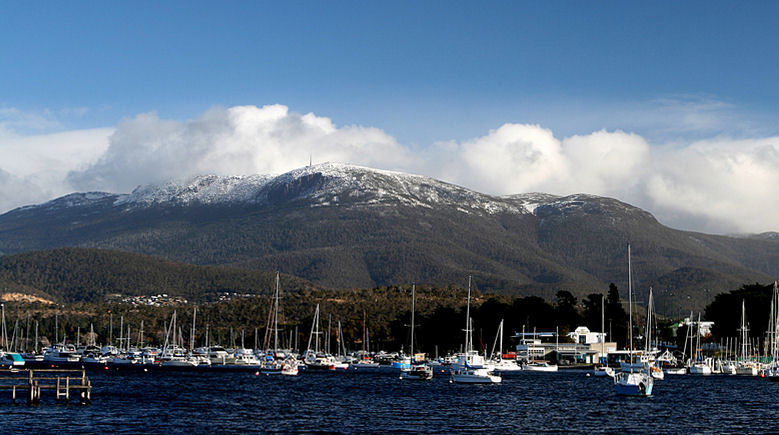
Hobart, the capital of Tasmania, Australia, is a city where colonial charm meets rugged wilderness. Nestled at the foot of Mount Wellington and overlooking the Derwent River, it offers a unique blend of history, culture, and natural beauty. It's a hub for arts, exquisite food, and outdoor adventures.
Population
576,000
Hobart Statistical Area, 2023 est.
Land Area
1,695.5
km² (Greater Hobart)
GDP Nominal
US$74 Billion
Tasmania State GDP (proxy for Hobart region), 2022 est.
Global Rank
No. 39
Global City Livability Index (example)
Hobart blends the charm of a colonial past with the vibrancy of a modern city, set against a stunning natural backdrop. It's a city of contrasts, from bustling markets to serene wilderness, offering a unique Australian experience.
Colonial Charm
Explore Australia's second-oldest capital, known for its well-preserved Georgian architecture, vibrant arts scene, and maritime history.
Mount Wellington
Nestled at the base of Kunanyi/Mount Wellington, Hobart offers stunning natural landscapes and serves as a gateway to Tasmania's wild south.
Tight-knit Community
Experience the warm hospitality and relaxed pace of life in a city proud of its unique island identity and close-knit community.
Growing Economy
Hobart's economy thrives on tourism, agriculture, Antarctic research, and a burgeoning creative industry, offering diverse opportunities.
From its early days as a penal settlement to its current status as a cultural and economic hub, Hobart's history is deeply intertwined with Tasmania's unique identity. Discover the events that shaped this remarkable city.
Lieutenant John Bowen establishes a small penal settlement at Risdon Cove on the eastern shore of the Derwent River.
The settlement moves to the present site of Hobart at Sullivans Cove by Lieutenant Governor David Collins, named after Lord Hobart.
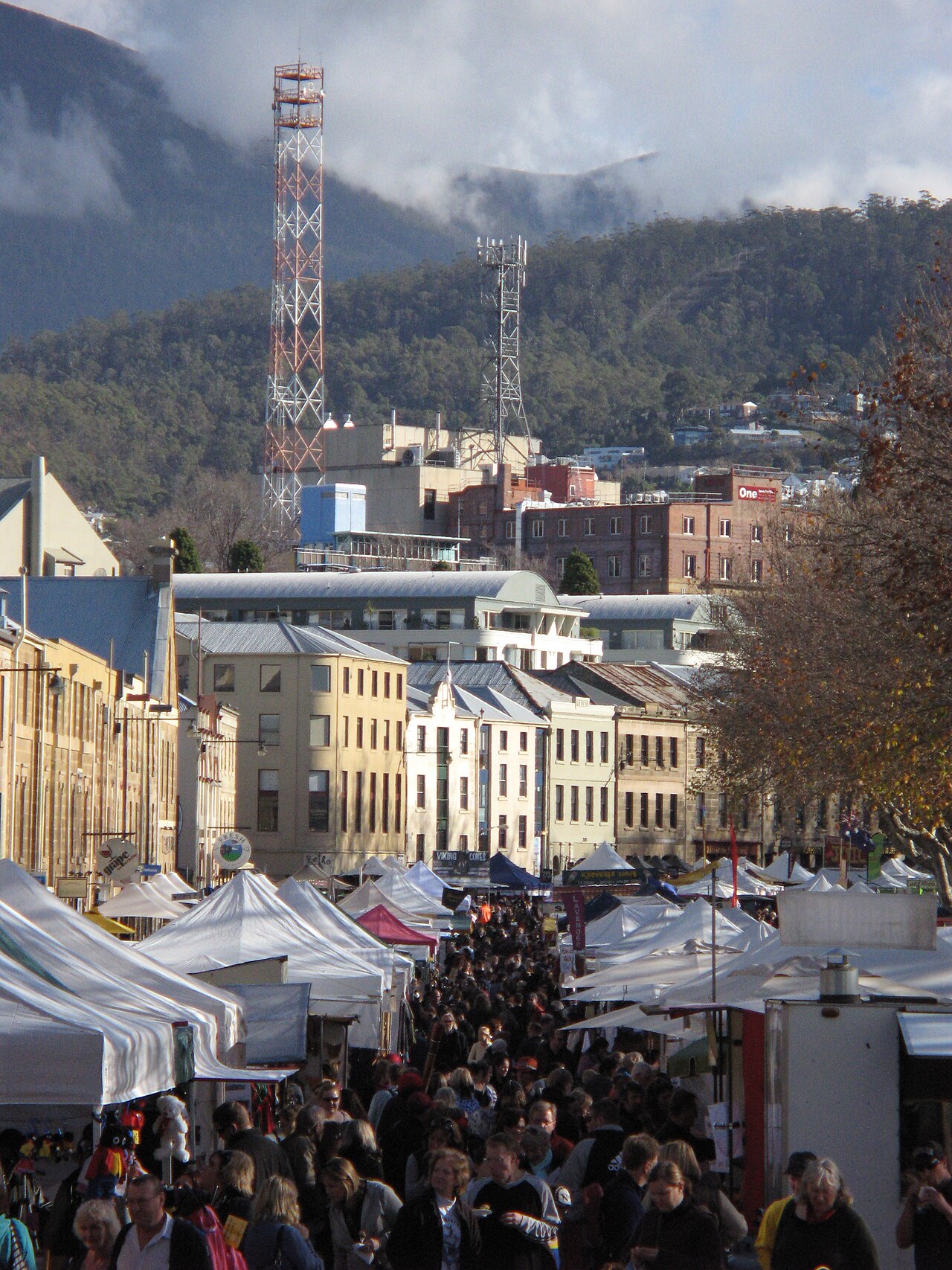
Hobart becomes a major port for whaling and sealing ships, bringing wealth and contributing to its maritime identity. Salamanca Place's warehouses are a legacy of this era.
Tasmania harnesses its abundant water resources for hydro-electricity, powering industrial growth and making Hobart an important administrative center.
The establishment of MONA and a growing focus on food, wine, and wilderness tourism transforms Hobart into a vibrant cultural and visitor destination.
Empirical charts mapping local seasonal variations, long-term urban population growth, and economic sector distribution.
Average temperatures (°C) against average monthly rainfall metrics (mm).
Source: Local meteorology department climatology records.
Historical urban concentration of the metropolitan area.
Source: Official national statistics historical database.
Percentage output breakdown of Hobart's massive US$74 Billion economy.
Source: City Treasury economic forecast index.
Explore diverse municipal areas.
Loading district dossier...
Navigate Hobart's iconic monuments, royal historical locations, and prestigious world-class museums directly on our live interactive GIS mapping application.
Hover or tap on any of the map markers to read comprehensive descriptions, travel tips, and transport guidelines.
Iconic places to visit.
Explore the local sights.
Gastronomy details.
Loading live transit database feed...
Plan your expenditures based on your preferred travel standard, and run live bidirectional currency conversions.
Change value in any currency field below to update all other fields synchronously based on realistic exchange coefficients.
Cost breakdown
| City | Hotel | Meals | Transit | Coffee |
|---|
Spread the knowledge! Share this masterclass encyclopedia of Hobart with friends or colleagues.
Have questions about visiting, moving, or living in Hobart? Ask local experts and fellow travelers.
View All Discussions →No active discussions for HOBART yet.
Be the first to ask a question or leave a tip for fellow travelers!