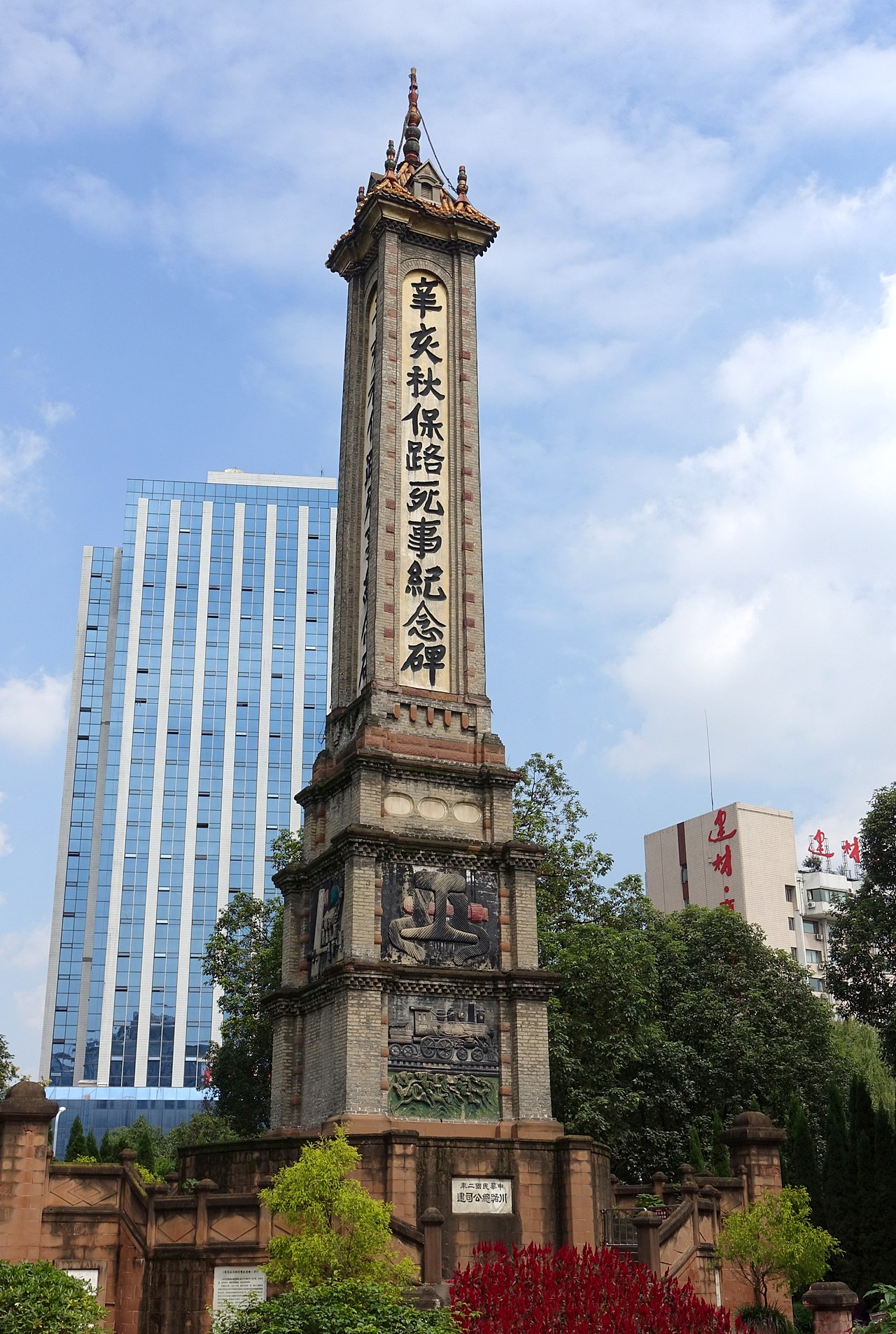
/Chung-doo/ • Home of the Giant Panda, Heart of Sichuan Cuisine
A vibrant metropolis deeply rooted in ancient traditions, Chengdu offers a unique blend of historical charm and modern dynamism. It's the undisputed culinary capital of China and a sanctuary for giant pandas.
Population
599k
Urban core (2023 est.)
Land Area
14,312 km²
Metro area
GDP Nominal
$78 Billion
City GDP (2023 est.)
Global Rank
No. 58
Global City Rank (2023)
Chengdu, the capital of Sichuan province, is a city renowned for its leisurely pace, rich cultural heritage, and, most famously, its adorable giant pandas. It's a culinary paradise for lovers of spicy food and a hub for traditional arts.
Gateway to Western China
A major economic and cultural center, connecting East and West with its robust infrastructure and international ties.
Protecting a National Treasure
Home to significant giant panda breeding and research bases, dedicated to the conservation of this beloved species.
A City of Comfort and Tea
Known for its relaxed pace of life, vibrant tea houses, and friendly locals, inviting visitors to slow down and enjoy.
Rapid Growth & Innovation
A leading city in Western China for technology, finance, and logistics, experiencing significant economic development.
With a history spanning over two millennia, Chengdu has been a significant cultural and economic hub. From its ancient Shu kingdom roots to its modern-day development, the city has witnessed countless transformations.
The state of Qin conquered the ancient Shu Kingdom, laying the foundations for the city of Chengdu and establishing it as a regional administrative center.
During the Three Kingdoms period, Chengdu became the capital of the Shu Han kingdom, ruled by Liu Bei, solidifying its importance in Chinese history.
Chengdu flourished as the capital of the Later Shu kingdom during the Five Dynasties and Ten Kingdoms period, known for its rich cultural output and prosperity.
The city, along with the rest of China, fell under Mongol rule during the Yuan Dynasty, leading to significant changes in governance and urban development.
Following the establishment of the People's Republic of China, Chengdu embarked on a rapid journey of modernization, becoming a major economic and cultural center in Southwest China.
Empirical charts mapping local seasonal variations, long-term urban population growth, and economic sector distribution.
Average temperatures (°C) against average monthly rainfall metrics (mm).
Source: Local meteorology department climatology records.
Historical urban concentration of the metropolitan area.
Source: Official national statistics historical database.
Percentage output breakdown of Chengdu's massive $78 Billion economy.
Source: City Treasury economic forecast index.
Explore diverse municipal areas.
Loading district dossier...
Navigate Chengdu's iconic monuments, royal historical locations, and prestigious world-class museums directly on our live interactive GIS mapping application.
Hover or tap on any of the map markers to read comprehensive descriptions, travel tips, and transport guidelines.
Iconic places to visit.
Explore the local sights.
Gastronomy details.
Loading live transit database feed...
Plan your expenditures based on your preferred travel standard, and run live bidirectional currency conversions.
Change value in any currency field below to update all other fields synchronously based on realistic exchange coefficients.
Cost breakdown
| City | Hotel | Meals | Transit | Coffee |
|---|
Spread the knowledge! Share this masterclass encyclopedia of Chengdu with friends or colleagues.
Have questions about visiting, moving, or living in Chengdu? Ask local experts and fellow travelers.
View All Discussions →No active discussions for CHENGDU yet.
Be the first to ask a question or leave a tip for fellow travelers!